
Cancer Treatment in China: Key Insights from the 2026 CACA Southern
Integrative Oncology Conference
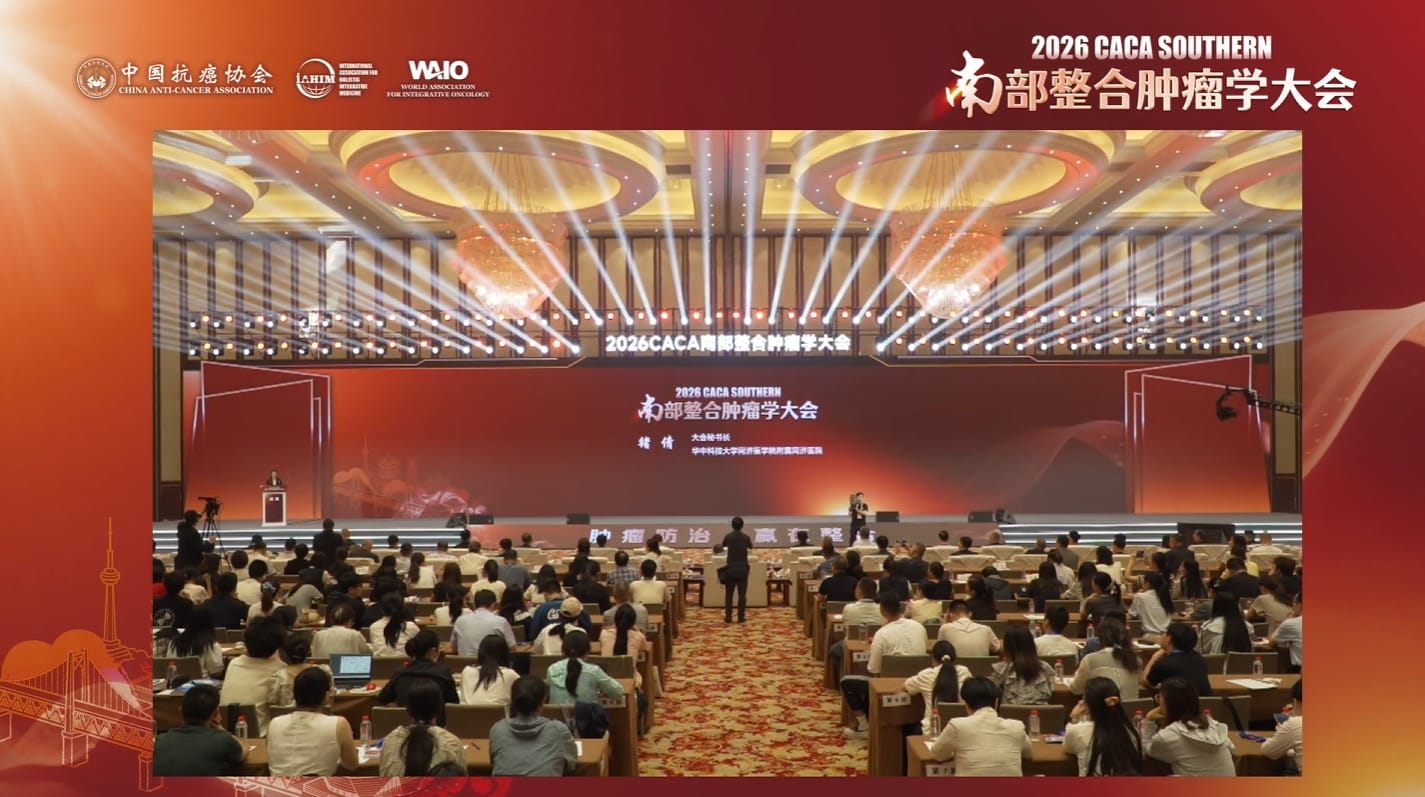
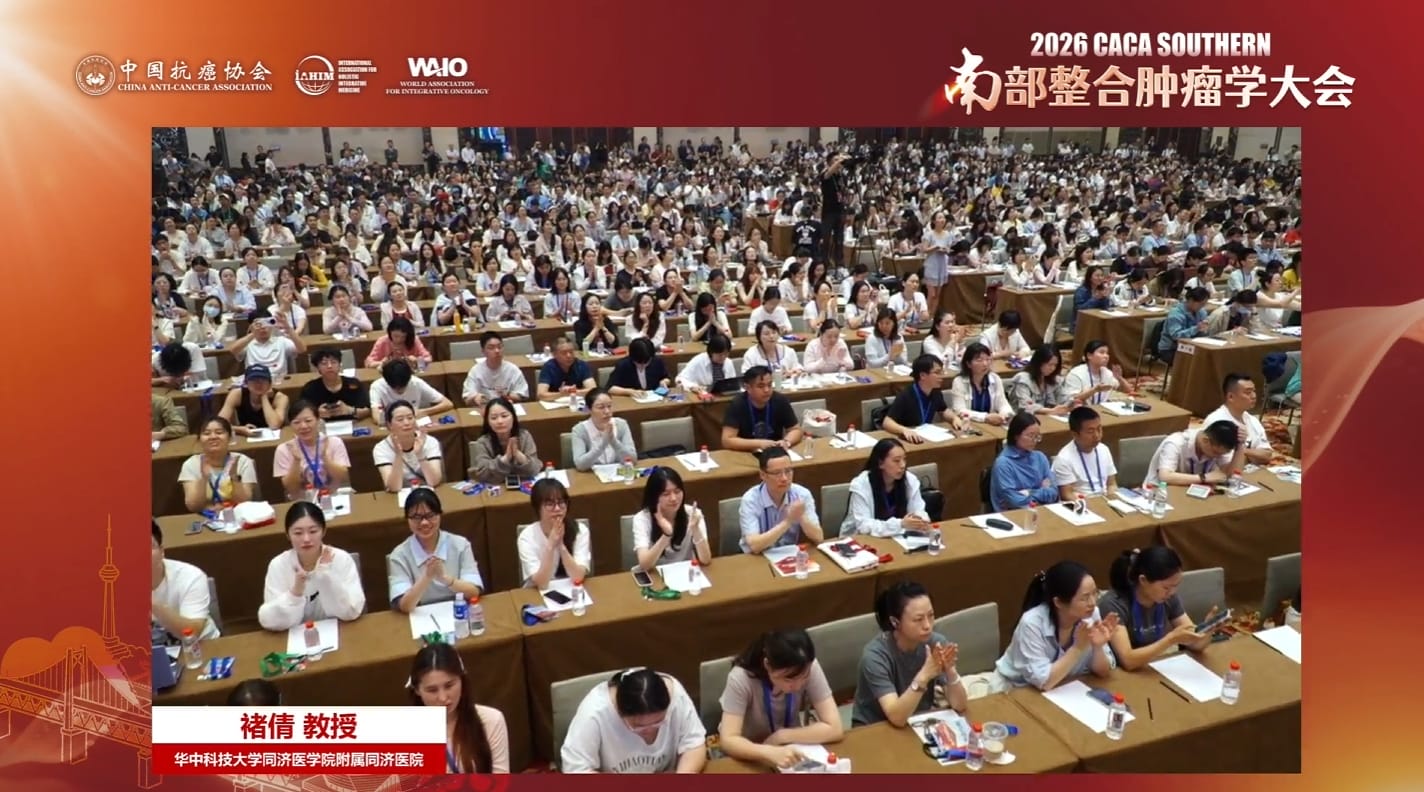
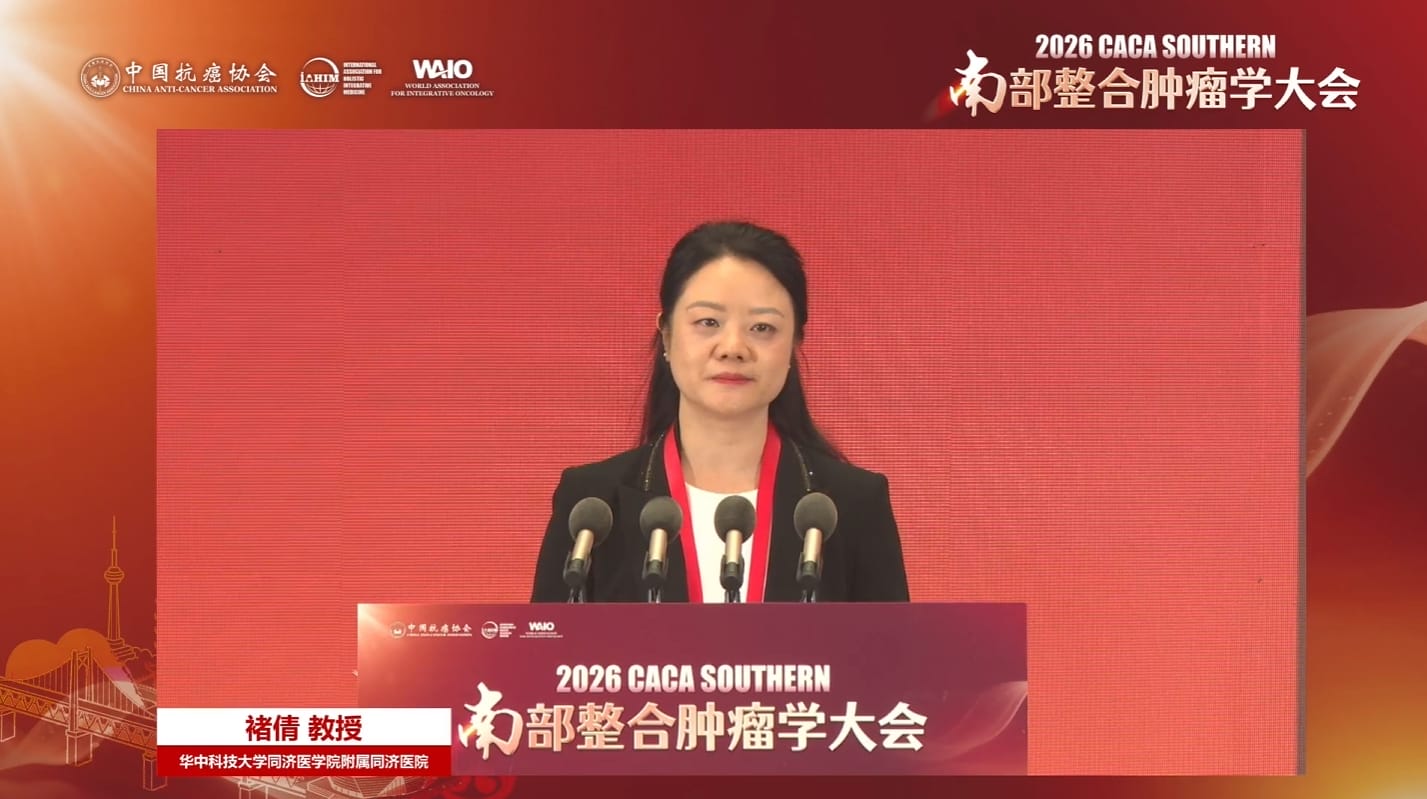
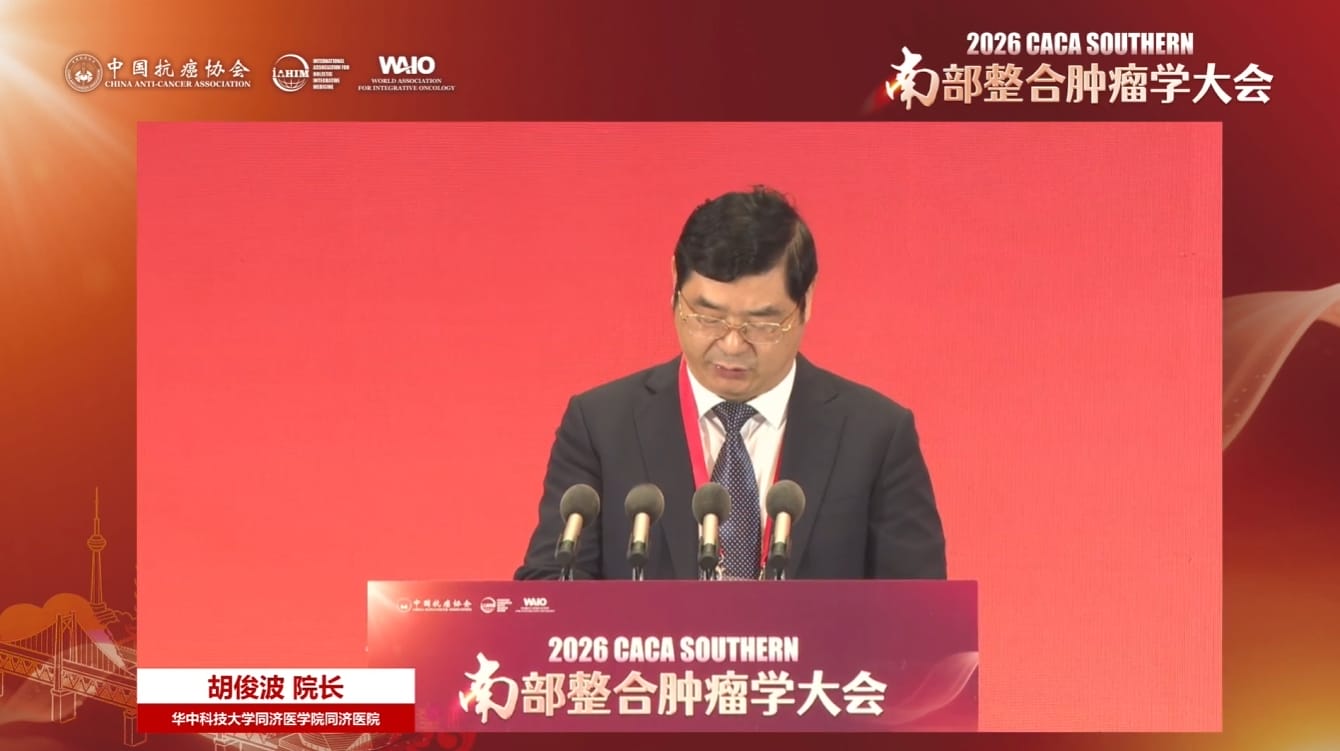
Opening Ceremony of the 2026 CACA Southern Integrative Oncology Conference
June 6, 2026 · WuhanSource: Official Replay (Video Channel 15856)Total Duration: 3 Hours 50 Minutes
The conference was hosted by the China Anti-Cancer Association (CACA), organized by Tongji Hospital of Huazhong University of Science and Technology and the Hubei Anti-Cancer Association, and co-organized by 22 specialized committees. It featured eight major thematic forums and more than 40 parallel sessions, with peak online viewership reaching 32.31 million.
Conference program overview
| Time | Session | Key Details |
|---|---|---|
| 00:00–10:45 | Opening Performance | A song-and-dance performance themed around the culture of Jingchu (Hubei), introducing the ideas of “integrative medicine” and “adapting as things change.” |
| 10:53–13:30 | Opening Remarks and Introductions | Professor Chu Qian, secretary-general of the conference, announced the opening and introduced the guests, including six academicians—Fan Daiming, Chen Xiaoping, Dong Chen, Wu Tangchun, Xu Ruihua and others. |
| 13:31–32:21 | Address by Academician Fan Daiming | Reviewed CACA’s 2026 itinerary of “four regional conferences plus the national conference in Changsha” (Western: Chengdu → Southern: Wuhan → Eastern: Hefei → Northern: Shijiazhuang); CACA guidelines have reached 157 countries in 16 languages; a single international summit attracted as many as 28 million viewers, and cumulative reach exceeded 500 million people across 79 countries. Announced the Integrative Oncology Rehabilitation Cultural Tour; the launch of 100,000 charitable rural screenings of the film New Life; the primary-care empowerment initiative; and that more than half of the 21-volume Integrative Oncology series had been written. Core philosophy: all three efforts—“fighting cancer, controlling tumors, and supporting life”—must be strong. |
| 32:28–48:00 | Addresses by Organizers and Industry Representatives | Hu Junbo, president of Tongji Hospital: the oncology department was founded in 1958, now has seven major subspecialties, and the first proton center in Central China entered clinical practice. Zhang Yonghui (phonetic transcription), vice president of Huazhong University of Science and Technology: the proton center had completed nearly 300 cases by the end of May 2026 and uses integrated positioning with a 2-meter PET-CT scanner. Senior vice president of Hansoh Pharma (industry representative): invested RMB 3.3 billion in research and development in 2025, launched nine innovative drugs, and licensed five products overseas to partners including GSK and Merck. |
| 48:26–60:00 | Three Major Ceremonies | ① Launch of 100,000 free public screenings of the film New Life: Facing Cancer through the national rural digital cinema network; ② launch of CACA’s Primary-Care Empowerment Initiative for Integrated Cancer Management (first cohort: 12 provincial demonstration hospitals); ③ handover of the conference flag, signaling the countdown to the Eastern Conference in Hefei (July 24–26). |
| 60:11–207:43 | Keynote Presentations (Six Experts) | Dong Chen, Chen Xiaoping, Xu Ruihua, Zhou Caicun, Nie Yongzhan and Yuan Xianglin (detailed below). |
| 208:46–226:24 | Thematic Salon: “What Should We Do When Facing Cancer?” | Guo Xiaomao (Fudan University Shanghai Cancer Center): align with national strategy and develop AI plus biomedicine. Wang Zhenlin (First Hospital of China Medical University): apply the integrative concept throughout diagnosis and treatment, fully embrace new technologies, and achieve consistency in care. Li Ping (First Affiliated Hospital of Anhui Medical University): progress from “fighting cancer” to “controlling tumors and supporting life”; warming yang and immunity (“yang transforms into qi; yin gives rise to form”). Xie Conghua (Zhongnan Hospital of Wuhan University): implementation of the 15th Five-Year Plan should focus on county-level healthcare and two-way referrals. Yi Tienan (Xiangyang Central Hospital; phonetic transcription): change in thinking, standardized treatment and decentralization of resources. Xu Xinhua (Yichang Central Hospital; phonetic transcription): shift prevention and intervention earlier, move the focus closer to primary care, and provide management throughout the care journey. Moderator Yang Jiyuan concluded: clinical practice poses the questions, scientific research provides the answers, and industry turns discoveries into applications. |
| 226:59–230:02 | Conference Closing Summary | Wei Shaozhong, president of the Hubei Anti-Cancer Association: technologies change every day, but the essence of being “patient-centered” does not; integration is the trend, convergence is the key, and collaboration is the way forward. |
Keynote presentations: detailed findings from six experts
Dong Chen — Advances and Prospects in Cancer Immunotherapy
Academician, Chinese Academy of Sciences · Vice President and Dean of the School of Medicine, Westlake University
Presentation Title: Advances and Prospects in Cancer ImmunotherapyTime 61:55–82:28 (approximately 20 minutes)
Key Points (Detailed Edition, Based on the Sentence-by-Sentence Transcript)
- The overall landscape of immunotherapy: Immune checkpoint blockade (ICB) has moved from a dream to reality (the 2018 Nobel Prize was awarded to Allison and Honjo). However, response rates to PD-1 monotherapy vary greatly across tumor types, and the proportion of responders within each tumor type remains low. Responders typically have “hot tumors,” which already contain substantial T-cell infiltration; blocking PD-1 further stimulates these T cells to proliferate and strengthens their killing activity. “Cold tumors,” by contrast, have inadequate T-cell infiltration, making it difficult for PD-1 blockade to work in the tumor microenvironment. The mechanisms behind cold tumors are complex: T cells may be unable to enter the tumor, or the immune system may have failed to recognize the tumor antigens at all.
- Clinical question: Why does monotherapy fail in liver cancer while combination therapy works? A clinical study conducted in collaboration with Lu Shichun’s team at the PLA General Hospital (Hospital 301). Background: PD-1 monotherapy was a clinical failure in liver cancer (Keytruda, Opdivo and PD-L1 antibodies had not been approved for liver cancer as monotherapy), whereas the combination of “PD-1 plus lenvatinib (anti-angiogenic therapy)” received approval and achieved an objective response rate of approximately 50%. This raised two scientific questions: ① Why was monotherapy ineffective while the combination improved the response rate? ② Why did approximately 50% of patients still derive no benefit?
- Study design: The study enrolled 34 patients and collected paired peripheral-blood and liver-tissue samples before and after treatment. Flow cytometry was performed on 28 patients, tumor-tissue RNA sequencing (RNA-seq) on 15 patients, and single-cell sequencing plus T-cell receptor (TCR) sequencing of intratumoral and peripheral-blood immune cells before and after treatment on nine patients. This enabled a precise characterization, for every patient, of “how the immune system changes before and after therapy.”
- Finding 1: Responders expand cTfem cells (circulating effector memory T cells): RNA-seq and flow cytometry showed that CD8⁺ T cells expanded significantly after treatment in responders (with no change in CD4 cells). Further clustering through single-cell sequencing revealed that the expanding cells were effector T cells expressing granzyme B and granzyme K; their TCR sequences could also be detected in peripheral blood. The team named these cells cTfem, or circulating effector memory T cells. Another population was TPEX (progenitor exhausted T cells). Crucially, cTfem cells were enriched for T cells capable of recognizing hepatitis B virus (HBV) antigens, and they expanded only under “PD-1 plus lenvatinib” combination therapy (published data sets for PD-1 monotherapy showed no change in cTfem, while TPEX also expanded in monotherapy responders). This explains the cellular basis of “monotherapy ineffective, combination therapy effective.”
- Finding 2: Nonresponders expand KIR⁺CD8⁺ regulatory T cells (a first discovery): CD8⁺ T cells also expanded in patients who did not respond, but these belonged to another population: KIR⁺ (killer cell immunoglobulin-like receptor–positive) CD8⁺ T cells, first found to have a suppressive function in autoimmune disease. These cells can also circulate, expand under PD-1 blockade, and correlate negatively with immunotherapy efficacy. The team was the first to discover a negative association between this cell population and response to cancer immunotherapy. Translational direction: develop strategies to block KIR⁺CD8⁺ regulatory T cells, potentially converting approximately 50% of nonresponders into responders.
- Finding 3: Ms4a7 is a key gene for cDC1 cross-presentation (the mechanism of cold tumors): To answer “Why are cold tumors cold?”, the team investigated how dendritic cells present tumor antigens to activate CD8⁺ T cells. In the EG7 lymphoma model, tumors were engineered to express GFP, allowing antigen-presenting cells to be tracked by in-vivo imaging. They found that the Ms4a7 gene in cDC1 (conventional type 1 dendritic cells) is indispensable for cross-presentation—the special process by which cDC1 carry tumor antigens to lymph nodes and activate CD8⁺ T cells. When Ms4a7 was knocked out in cDC1, the tumors grew rapidly and antigen-specific CD8⁺ T cells could not be activated.
- Finding 4: Ms4a7 is a marker of hot versus cold tumors in humans: Validation in a bladder-cancer cohort conducted with the Department of Pathology at Xiangya Hospital showed that patients with intratumoral cDC1 had better prognoses. But patients whose cDC1 did not express Ms4a7 had outcomes just as poor as patients without cDC1. Patients with high Ms4a7 expression in cDC1 had much better outcomes—approximately 70% survived longer than 80 months. Ms4a7 expression in cDC1 marks the characteristics of “hot tumors” and may serve as a biomarker for prognosis and immunotherapy response.
- Team and collaborators: Liver-cancer project: former postdoctoral researcher Guo Xinyi (now an independent principal investigator at the School of Pharmacy, Shanghai Jiao Tong University / Shanghai Institute of Immunotherapy Innovation). Ms4a7 project: former postdoctoral researcher Xie Bowen (PhD from Xiangya, now back at Xiangya as an independent principal investigator). Collaborators included Dr. Zhang Wenwen of Lu Shichun’s team at Hospital 301 (clinical samples and bioinformatics) and Dr. Nie Hu of Professor Zhang Lei’s team at Shenzhen Bay Laboratory.
Chen Xiaoping — How to Be a Good Doctor
Academician, Chinese Academy of Sciences · Honorary Dean, Tongji Medical College, Huazhong University of Science and Technology · CACA-Certified Expert
Presentation Title: How to Be a Good DoctorTime 83:28–127:37 (approximately 44 minutes)
Key Points (Detailed Edition, Based on the Sentence-by-Sentence Transcript)
- The guiding teaching: Reflecting on nearly 50 years in medicine, he organized his thoughts around his teacher Qiu Fazu’s saying: “Be content in how you conduct yourself; remain aware of your shortcomings in what you do; and never be content with what you know.” He traced this to the Zuo Zhuan: “The highest achievement is to establish virtue, the next is to accomplish deeds, and the next is to leave words behind.” Establishing virtue means being a good person; accomplishing deeds means doing good work; and leaving words behind means pursuing scholarship.
- How to conduct oneself: Be a good person before becoming a good doctor: A secretary to Premier Zhou Enlai once said, “To pursue scholarship, one must first learn how to be a person.” Wei Jianing (phonetic transcription), a Tongji alumnus and renowned surgeon, said, “To be a good doctor, one must first be a good person.” Chen strongly endorsed four criteria for judging character proposed by a leader of the Central Organization Department: whether a person is filial toward their parents, respects teachers, has compassion and readily helps others, and can endure hardship. Anyone unable to meet these standards cannot become a good doctor. What he feared most were two-faced people and ingrates. His model was Wu Mengchao: although Wu had received China’s highest science and technology award, he always behaved like a pupil in front of 90-year-old Professor Qiu. Chen recalled, “You would often see an 80-year-old man supporting a 90-year-old man as they walked.”
- How to work: Carry the patient across the river: Qiu Fazu used the analogy: “Treating a patient is like carrying a child across a river. You only succeed once you have carried the child safely to the other side.” Doctors must be careful with their words and take responsibility for every patient all the way through: “You cannot say a patient has recovered until the patient has left the hospital.” Chen illustrated this with a painful experience of his own. One morning he examined a patient who was about to be discharged. Just as he entered the operating room, a nurse summoned him to an emergency: the patient had suffered sudden massive bleeding, and by the time he arrived, the blood pressure was unmeasurable.
- Three principles of diagnosis: Be hands-on, think carefully, and enjoy exploring: He criticized young doctors for relying excessively on advanced equipment while neglecting physical examination and history-taking: “Heaven has given us two treasures—a pair of skillful hands and a clever brain. If we use them well, we can diagnose many diseases without advanced equipment.” The following six cases all illustrate the value of logical reasoning.
- Case 1: Lower-back pain does not necessarily mean renal colic: An elderly woman developed severe lower-back pain after washing her feet. She had a history of kidney stones, and an emergency ultrasound showed a stone in the right kidney. She was treated for “renal colic” with analgesic injections but still could not sit or stand comfortably. On examination, Chen found that the most pronounced tenderness was over the spinous processes at L3–L4. An X-ray confirmed a lumbar compression fracture rather than renal colic. Lesson: relying on ultrasound without performing a physical examination can lead to misdiagnosis.
- Case 2: A ruptured liver does not always require surgery: A medical student fell from the upper bunk in a dormitory. Ultrasound showed a subcapsular liver hematoma and blood in the pelvis, and the on-call doctor enthusiastically wheeled the patient toward the operating room. During his ward round, Chen found normal blood pressure, no tachycardia, and only mild abdominal signs. He said, “Don’t rush to operate. Observe for a while.” The patient was discharged after two days of observation, avoiding surgery. At the time, textbooks taught that liver rupture meant surgery, but a patient with stable vital signs and no hemorrhagic shock could be managed conservatively under observation. (The student is now a physician at Union Hospital and returned years later specifically to thank Chen.)
- Case 3: “Pethidine addiction” was actually biliary pancreatitis: A doctor with gallstone disease repeatedly suffered abdominal pain and received pethidine injections; rumors spread throughout the hospital that he was “addicted.” One night he developed severe pain and high fever, but the local hospital restricted pethidine and refused surgery. Chen drove four to five hours overnight to consult. The patient’s temperature was nearly 39°C, white blood cell count was over 10,000, neutrophils were nearly 90%, the abdomen was board-like, and tenderness was marked. Chen diagnosed biliary pancreatitis with acute cholecystitis and insisted on emergency surgery. When the abdomen was opened, the peritoneum and greater omentum were covered with purulent exudate and there was extensive effusion: “These are not things someone can pretend to have. They are real pathophysiological changes.” Postoperatively, it emerged that the patient had received just over 80 pethidine injections in several years; after surgery, he needed it only once and never again. Chen saw this as confirmation of his teacher’s remark: “Patients who are truly in pain do not easily become addicted to pethidine; it is those who inject it for amusement when nothing is wrong who become addicted.”
- Case 4: “Extensive metastasis of gastric cancer” was actually an intestinal obstruction caused by a ball of suture thread: Four months after apparently complete surgery for very early gastric cancer, a patient developed recurrent severe abdominal pain. Numerous senior specialists unanimously concluded that the cancer had “metastasized widely throughout the abdominal cavity” and advised against further intervention. Chen reasoned from three facts: the original cancer had been early-stage and completely resected; only four months had passed; and a barium study showed one shadow within the intestinal lumen. “The incidence of tumors metastasizing into the intestinal lumen is too low.” He diagnosed mechanical intestinal obstruction and insisted on exploratory surgery. When the bowel wall was opened, a mass popped out: continuous silk sutures from the gastrointestinal anastomosis had come loose and wrapped around food debris, forming a “broom-head”-like ball that blocked the intestine. The patient was still alive more than 30 years after surgery.
- Case 5: Severe COVID-19—the “four balances” determine the outcome: During severe COVID-19 case consultations in Wuhan in 2020, experts disagreed and the meetings ended without consensus. On February 28, Chen delivered a concluding statement that set the direction with three points: ① This was “a systemic infectious disease caused by a novel coronavirus, with pulmonary inflammation as its primary clinical manifestation”—do not focus solely on the lungs. ② There was no specific cure. ③ Maintain “four balances”: immune balance, nutritional balance, endocrine balance, and fluid-electrolyte balance, while also protecting the function of the heart, brain, lungs and kidneys, using endotracheal intubation and ECMO when needed. The reasoning was that if vital organs were preserved and the patient remained alive, gradual adjustment of the internal environment could help the patient overcome the disease: “Create an opportunity for the patient to repair and recover on their own.” Subsequent experience showed the approach worked. Afterward someone quietly asked, “Is he really a surgeon? A surgeon wouldn’t be able to explain these things.” Chen replied that this was precisely the value of Academician Fan Daiming’s philosophy of integrative medicine.
- What defines a surgeon? Qiu Fazu said, “A general surgeon is an internist with an additional scalpel.” A surgeon must know what an internist knows, with the added ability to operate—not simply be someone who performs operations. Qiu also liked a German joke: surgeons can do everything but know nothing; internists know everything but can do nothing; pathologists know everything and can do everything—too late.
- Case 6: COVID-19 “white lungs”—rejecting lung transplantation three times: A pediatric surgeon at Tongji developed severe COVID-19 with “white lungs.” Three times an expert group proposed that the lungs were “completely white and fibrotic” and could only be treated with lung transplantation. Three times Chen firmly rejected the proposal: the patient was still in the acute inflammatory phase, with changes primarily due to interstitial pulmonary edema and inflammatory exudation (acute inflammation involves redness, swelling, heat, pain, congestion, edema and exudation). Fibrosis is part of the repair process in chronic inflammation and could not develop so early. The “white lungs” could recover by controlling fluid intake and promoting diuresis to clear interstitial edema. After restriction of fluid intake and diuretic treatment, lung transparency gradually improved. Professor Wang Guobin of the pathology department reviewed the literature and confirmed “fibrinous exudation,” not fibrosis. The patient recovered, left the hospital and returned to the operating table.
- Zhang Boli “left his gallbladder in Wuhan”: During the fight against COVID-19 in Wuhan, Academician Zhang Boli developed gallstone-related cholecystitis. He insisted on taking traditional Chinese medicine for two or three days, but his condition worsened, with high fever and an elevated white blood cell count. Chen was called to consult at 11 p.m. With the city locked down and no vehicles available, he drove himself. Examination revealed clear signs of peritonitis. He told Zhang, “You cannot avoid surgery now; if you are going to operate, it must be tonight.” Surgery was performed that night. Pathology showed focal necrosis of the gallbladder—any further delay could have caused perforation and biliary peritonitis, with a completely different prognosis. Zhang returned to the Fangcang shelter hospital on the third postoperative day.
- Details determine success or failure: In recent years, even basic mistakes such as leaving surgical gauze inside the abdominal cavity still occur. Chen recalled serving on a professional title evaluation panel decades ago. One candidate’s representative publication was entitled “Experience with Three or Four Cases of Retained Foreign Objects in the Abdomen.” An evaluator rejected the application in one sentence: “Having left so many foreign objects in the abdominal cavity, this person should not be promoted but demoted.”
- How to do research: Three kinds of innovation and how to face failure: Scientific and technological innovation has three categories: knowledge innovation (new concepts, new ideas and new theories), technological innovation, and management innovation guided by modern science and technology. Chen cited Edison’s “Genius is 1% inspiration and 99% perspiration,” and Academician Xue Qikun’s “Research is 5% success and 95% failure.” Chen added that even 5% might be too high. Researchers must withstand countless failures. For example, Academician Dong Chen presented his results so effortlessly, but they were all built on countless failed attempts.
- Theoretical contribution 1: China anticipated enhanced recovery after surgery by more than 30 years: Many people think enhanced recovery after surgery (ERAS) was proposed by Europeans, but Chen said that was not the case. As early as 1966, Qiu Fazu’s team proposed “two reductions and one guarantee” in the Chinese Journal of Surgery: reduce patients’ suffering, reduce the financial burden on patients and the country, and guarantee medical quality. This was entirely consistent with the ERAS philosophy and preceded Europe by more than 30 years.
- Theoretical contribution 2: Overturning assumptions about resection of large liver cancers: From the 1950s to the 1970s, mortality following liver cancer resection was 20%–60%, and only a few major hospitals dared perform the operation. The prevailing explanation was “a larger tumor means more liver must be removed, leading to liver failure.” Chen noticed that the tumor-free portion of the liver often underwent compensatory enlargement. Using the simple method of measuring resected specimens and tumor volumes with measuring cups, he arrived at a counterintuitive conclusion: for the same extent of hepatectomy (such as right hepatectomy in both cases), the larger the tumor, the less functioning liver tissue is sacrificed; the smaller the tumor, the more is sacrificed. Therefore, large liver cancer resections were not only feasible but safer.
- Technical contribution 3: Three methods of controlling bleeding during liver surgery: The greatest challenge of liver surgery is hemorrhage control. Chen proposed three methods: ① controlling the first hepatic hilum together with the inferior vena cava (14 years before Japan); ② accessing the hepatic pedicle directly through the liver parenchyma to control vessels and ducts entering and leaving the liver (11 years before Brazil); ③ the liver-hanging maneuver, which improves exposure and controls bleeding from hepatic sinusoids. Together, these techniques reduced mean blood loss in liver resection from about 2,000 mL (according to literature cited by Academician Fan Jia) to about 200 mL, rarely exceeding 500 mL. Hepatectomy changed from a high-risk operation to a relatively safe procedure that could be performed even in county hospitals or capable township hospitals.
- Hilar cholangiocarcinoma: Limited liver resection plus invagination-type bilioenteric anastomosis: Hilar bile duct cancers are usually only 2–3 cm across. Western specialists have advocated removing half or even most of the liver (50%–80% of liver volume), although much of what is removed is normal, tumor-free liver. Complication rates can reach 60%–70%, with mortality of 10%–20%. Based on imaging and pathology, Chen proposed limited hepatectomy (the quadrate lobe or segments IV/V). A renowned hepatobiliary surgery chief at Washington University admitted, “We do not do it this way because we cannot solve the problem of bile duct reconstruction.” Chen solved the reconstruction of seven or eight, sometimes more than ten, tiny bile ducts on the liver cut surface using an invagination-type bilioenteric anastomosis in which only the posterior bile duct wall is sutured, leaving the anterior wall unsutured.
- Advice to young physicians: Qiu Fazu said, “One whose virtue does not approach that of the Buddha should not practice medicine; one whose skills do not approach those of an immortal should not practice medicine.” Chen found what he considered the only definition of a good doctor in Qiu’s writings: “A good doctor is one who cures disease at low cost—curing illness with less spending is high quality.” Physicians should be capable in three ways (doing, speaking, writing) and master the “three foundations” (basic knowledge, basic skills, foundational theory), while listening, observing, asking and doing more. More than 20 years ago, Chen proposed “three things not to calculate” for students: do not calculate time, money, or gains and losses in individual matters. A great doctor must have self-restraint and follow three “don’ts”: do not be picky about assistants, do not be picky about instruments, and do not scold assistants, nurses or anesthesiologists. When surgery goes wrong, the responsibility lies with the lead surgeon, not others: “Everyone else is there to help you; you should thank them.”
- One “bold” statement and a view of professional development: “A doctor who relies entirely on consensus guidelines to treat patients is not the best doctor.” Guidelines emphasize what is general and common, but treatment must also be individualized; the traditional Chinese medicine principles of “different treatments for the same disease and the same treatment for different diseases” illustrate this. Quoting Liu Daoyu, Chen said that whether someone becomes accomplished is largely not determined by prestigious schools or teachers, academic degrees, studying abroad, favorable or unfavorable conditions, or whether their family is rich or poor. It depends on personal ambition, interests, ideals and perseverance: “A teacher can show you the door, but cultivation depends on the individual.”
Xu Ruihua — The Practice of Immunotherapy for Gastrointestinal Tumors
Academician, Chinese Academy of Engineering · CACA Vice President · Director, Sun Yat-sen University Cancer Center
Presentation Title: The Practice of Immunotherapy for Gastrointestinal TumorsTime 129:30–150:18 (approximately 21 minutes)
Key Points (Detailed Edition, Based on the Sentence-by-Sentence Transcript)
- Central challenge: Gastrointestinal cancers are a “hard-hit area” for immunotherapy: The response rate to monotherapy is only 10%–15%, meaning that the overwhelming majority of patients do not respond. The intrinsic reason is low tumor antigenicity, leaving T cells unable to recognize the cancer. The extrinsic reason is an immunosuppressive tumor microenvironment, which impairs T-cell function. For more than a decade, the team’s research has followed two lines—“tumor antigenicity” and “immune microenvironment”—in the hope of inspiring clinical work and research among young and mid-career physicians.
- Identifying beneficiaries 1: TMB—a world-first finding: In China’s first multicohort registration study of a PD-1 antibody (covering gastrointestinal and pan-cancer cohorts), the team combined clinical studies with translational medicine. It was the first worldwide to identify tumor mutational burden (TMB) as a predictive biomarker for immunotherapy efficacy in gastric cancer, associated with both higher response rates and longer survival. The finding was subsequently validated by Merck’s Keytruda basket trial and became the basis for an approved indication.
- Identifying beneficiaries 2: 11q13 amplification and POLE/POLD1: The team found that patients with 11q13 amplification were intrinsically resistant to immunotherapy. After researching the underlying mechanism for ten years, the team identified an important target and developed its own new drug (a major paper is under revision). The team was also the first worldwide to find that patients with POLE/POLD1 mutations responded well to immunotherapy across tumor types, confirming the result in a prospective cohort. This biomarker has since been incorporated into clinical guidelines in China and internationally and is widely used.
- Identifying beneficiaries 3: MSI-H rectal and colon cancer—from inoperable to cure: Traditionally, MSI-H rectal cancer requires neoadjuvant chemoradiotherapy followed by surgery, often with removal of the anus and creation of a stoma—a very cruel outcome. The team was among the first worldwide (almost simultaneously with the United States) to use PD-1 as neoadjuvant immunotherapy, demonstrating that most patients could achieve a clinical cure and avoid surgery. The team then explored dual-checkpoint neoadjuvant therapy in MSI-H colon cancer: “one dose of CTLA-4 plus two doses of PD-1” enabled approximately 80% of patients to achieve a pathological complete response (pCR, meaning no cancer cells remained in the resected specimen). This became the first globally approved dual-immunotherapy neoadjuvant regimen and established China’s leading position in the field.
- Increasing antigenicity 1: The “Chinese regimen”—replacing 5-FU with paclitaxel: Not all chemotherapy activates the immune system. Combined clinical and basic research showed that paclitaxel activates immunity more strongly than 5-fluorouracil. Accordingly, the team designed a Chinese phase III trial using paclitaxel in place of the 5-FU commonly used in Europe and the United States. The result: long-term survival doubled and the risk of death fell substantially. In cross-trial comparisons with two major American and European studies, the “Chinese regimen” had the world’s highest response rate (the European and American results were a little over 40%). The regimen is now a standard for neoadjuvant therapy and has also been adopted in Europe and the United States. Accompanying multi-omics work established a precision-immunotherapy classification of esophageal cancer: approximately 50% of patients in the favorable subgroup could achieve long-term survival, while the unfavorable subgroup derived almost no benefit—enabling precisely stratified treatment.
- Increasing antigenicity 2: Gastric cancer—replacing cisplatin with oxaliplatin: This work also selected a chemotherapy agent with stronger immune-activating effects: oxaliplatin instead of cisplatin. At the time, a global phase III study of “PD-1 plus cisplatin” for gastric cancer had produced a negative result, and pessimism was widespread. Confident in its independently designed approach, the team conducted a global multicenter phase III study of a tislelizumab regimen from BeiGene, with Xu as global leading principal investigator. It succeeded and established another global first-line standard for gastric cancer after Keytruda and Opdivo. When applied in the neoadjuvant setting, the pCR rate tripled, and the early benefits eventually translated into overall survival gains. Multi-omics studies (genomics, transcriptomics and single-cell analyses) distinguished three groups: one with an excellent response to immunotherapy; another with poor baseline response but greatly improved results after chemotherapy recruited large numbers of T cells into the tumor; and a third, “desert-like” group with no response whatsoever. These patterns suggest mechanisms of resistance and possible combinations. For highly immunotherapy-resistant rectal cancer, chemoradiotherapy plus PD-1 improved pCR by 20 percentage points, allowing more patients to avoid surgery.
- Remodeling the microenvironment: A three-drug “Chinese regimen” that turns cold tumors hot: Anti-angiogenic drugs can improve the immune microenvironment, and the team was among the first worldwide to combine anti-angiogenic therapy with PD-1 blockade, demonstrating an enhanced effect in a small sample. Further research linked T-cell exhaustion closely to histone acetylation, prompting the introduction of the older Chinese drug chidamide (an HDAC inhibitor). It did activate T cells in vitro, but the combination worked poorly in animal experiments. Further investigation revealed that HDAC inhibition caused macrophages to secrete large amounts of VEGF, promoted new blood vessel formation, and thereby inhibited T-cell infiltration. The team ultimately assembled the ideal three-part combination: “HDAC inhibitor (chidamide) + anti-angiogenic therapy + PD-1”—the three-drug Chinese regimen. Its response rate increased from approximately 2% with monotherapy to 44%, while dynamic sampling confirmed that it truly transformed “cold tumors into hot tumors.” A phase III study has been completed, and the regimen has the potential to become a new global treatment standard.
- New targets and treatments 1: CLDN18.2 ADC: As global leading principal investigator in a multicenter study, Xu helped establish a new standard of CLDN18.2-targeted antibody–drug conjugate (ADC) plus chemotherapy: response rate, progression-free survival (PFS), and overall survival all improved markedly. The therapy received global approval and came into widespread use in China. The team also supported Chinese companies developing ADCs, conducting the first clinical trial of a CLDN18.2 ADC worldwide; in patients with advanced gastric cancer who had failed multiple lines of therapy, its response rate was approximately three times higher than that of prior treatments. The phase I work progressed into a global phase III study (with data expected to be announced within two months) and could establish a China-originated global treatment standard. Rather than remain in the last-line setting, the team creatively combined ADCs with existing regimens, adjusted doses, and advanced them into first-line treatment. The first-line response rate approached 90% (versus approximately 50% for gastric cancer first-line treatment generally), and PFS approached one year—a historical record. Phase III trials have begun.
- New targets and treatments 2: Ferroptosis, methionine metabolism and gut microbiota: Regarding ferroptosis and immunotherapy resistance, the team discovered that interferon-β (IFN-β) influences a protein of the mitochondrial inner membrane and induces homeostasis of iron efflux, creating resistance to ferroptosis. This identified a critical point for intervention. Regarding methionine metabolism, a complex formed by its metabolic enzyme and adenosine promotes lipid metabolism; the team synthesized a short peptide to block the process and produce an antitumor effect. Regarding the intestinal microbiome, the team identified a new anaerobic gut bacterium in its own data set, named RX4-01 (“RX” being an abbreviation of its name). The bacterium releases lipoproteins that stimulate dendritic cells to release chemokines and recruit large numbers of T cells into tumors. The team has filed multiple international patents and entered clinical research. A phase I trial showed renewed immunotherapy efficacy after patients who had previously failed immunotherapy took the bacterium orally; the goal is to progress to an investigational new drug (IND) application.
- Message to younger and mid-career doctors: AI as a new paradigm: Traditional drug development, driven by targets, literature and omics, follows a “very narrow” model. AI brings a completely new paradigm. Sun Yat-sen University is building a multimodal plus agent architecture to uncover relationships across vast amounts of information and discover new targets. China possesses the world’s strongest and most original data resources. “In the age of AI, each person’s knowledge is extremely limited. We stand at the same starting line as Nobel Prize winners and large companies such as Pfizer. Whoever uses AI well will master the future. Douyin and WeChat give you emotional gratification, but not lasting value; use your brain and learn.”
- International recognition: The series of clinical studies has gained recognition from international peers. For Cell’s 50th anniversary, the journal published a commentary introducing the development of clinical oncology in China. Xu is currently leading global colleagues in writing the Lancet Commission on Global Colorectal Cancer; the project has been underway for two years, is expected to be a 100-page major work, and requires two or three meetings each week.
Zhou Caicun — A New Era of Precision Treatment for Lung Cancer
CACA-Certified Expert · Chair, CACA Non-Small Cell Lung Cancer Specialized Committee · Director of Oncology, Shanghai East Hospital
Presentation Title: A New Era of Precision Treatment for Lung CancerTime 151:13–170:38 (approximately 19 minutes)
Key Points (Detailed Edition, Based on the Sentence-by-Sentence Transcript)
- Opening point: Lung cancer is not one disease: Lung cancer is extremely complex and can be divided into at least a dozen distinct diseases: “Patients with actionable targets must receive targeted therapy.” Zhou joked that after Academician Xu’s report on gastrointestinal cancers, he could only remove “immunotherapy” from his own title and speak about precision medicine instead. He used an analogy of “poor people and rich people” to illustrate how fundamentally different treatment strategies are for lung cancer versus gastrointestinal cancers.
- Classic EGFR mutations: From first-generation to third-generation and then deuterated third-generation agents: The OPTIMAL trial some 20 years ago (first-generation targeted therapy versus chemotherapy) established a targeted treatment approach for patients with EGFR mutations. Third-generation osimertinib then beat first-generation treatment head-to-head “quite convincingly.” Numerous Chinese third-generation agents have only compared themselves with first-generation agents, not with a third-generation drug head-to-head: “Although they have been approved, I still consider them me-too products.” This year, however, a deuterated third-generation targeted agent finally underwent a head-to-head comparison against osimertinib (a project by Professor Shi Yuankai’s team), with better efficacy against brain metastases and longer intracranial PFS. It was the first domestic product optimized specifically for brain metastases and is worth watching.
- EGFR exon 20 insertions: Two breakthrough routes, bispecific antibodies and oral TKIs: EGFR exon 20 insertion mutations have more than 120 subtypes and are common in adenocarcinoma and nonsmokers. First-, second- and third-generation tyrosine kinase inhibitors (TKIs) are ineffective. Route one: amivantamab (an EGFR/MET bispecific antibody) plus chemotherapy, in the PAPILON trial, beat chemotherapy head-to-head—PFS improved significantly, duration of response increased, objective response rate (ORR) rose, and PFS2 also improved substantially. It has become a global first-line standard. Route two: oral sunvozertinib (the WU-KONG28, or “Wukong 28,” trial) beat chemotherapy head-to-head, with improvements in PFS, ORR and duration of response (DOR) across the board. The results appeared in the New England Journal of Medicine, and it is expected to become a global first-line standard soon. “We named it Wukong because we hope it can defeat this disease the way Sun Wukong defeats his enemies.”
- RET fusions: Selpercatinib beat chemotherapy head-to-head; Chinese agents follow: RET fusions occur not only in lung cancer but also in thyroid cancer and other cancers, although lung cancer responds particularly well to targeted therapy. Selpercatinib, in the LIBRETTO-431 trial, beat chemotherapy head-to-head: median PFS with chemotherapy was about 11 months, versus over two years for selpercatinib. Most extracranial lesions responded, and the vast majority of intracranial lesions also shrank. Two Chinese RET TKIs are progressing: the first significantly prolonged PFS; the second achieved an ORR of 90% and PFS beyond two years, and is expected to receive approval soon. For advanced lung cancer, these are highly encouraging results.
- No driver mutation: Immunotherapy plus chemotherapy is standard; “one of every six or seven patients is cured”: Patients without actionable targets are not necessarily disadvantaged. Immunotherapy plus chemotherapy is superior to chemotherapy alone: higher response rates, longer PFS and improved overall survival (OS), confirmed in four clinical studies. In the Chinese PD-1 CameL trial, the five-year OS rate was 31.2% and the five-year PFS rate was 16.1%. “For every six or seven patients treated, one is cured.” This is an extraordinary result.
- “Adding more” often fails to improve efficacy: Additional drugs were tested on top of the immunotherapy-plus-chemotherapy backbone. In patients with high PD-L1 expression, adding chemotherapy did not improve either PFS or OS; adding bevacizumab to create a four-drug regimen produced exactly the same efficacy as a three-drug regimen—“randomly adding drugs obviously does not increase efficacy.” Maintenance with anlotinib after chemotherapy improved PFS, but the size of the improvement was not encouraging. Better drugs are needed.
- Next frontier 1—bispecific antibodies: Old targets, new structures, new functions: China has clear advantages in bispecific antibodies. Many Chinese bispecifics have been licensed out to multinational pharmaceutical companies, generating more than US$60 billion in deals in the first few months of this year. Their targets are actually familiar ones (PD-1/VEGF, PD-1/CTLA-4 and others), but “when the structure changes, the biological function changes.” This is the greatest source of hope for bispecific antibodies.
- Ivonescimab (PD-1/VEGF bispecific antibody): Beating Keytruda head-to-head: The HARMONY trial (first-line PD-L1-positive disease, ivonescimab versus pembrolizumab) showed PFS of 11.14 months versus approximately 5.8 months, reducing the risk of progression or death by about 50%, with very high statistical significance. It worked in both adenocarcinoma and squamous carcinoma and in both low and high PD-L1 expression groups—“it defeated Keytruda”—and could become the new backbone of lung-cancer immunotherapy. In HARMONY-6 (second line, ivonescimab plus chemotherapy versus docetaxel plus chemotherapy?), an OS benefit was also observed: the risk of death fell by 36% and median survival increased by four months. These are important data for advanced lung cancer; the four- to five-year long-term survival results are even more eagerly anticipated.
- Trispecific antibodies have arrived: In a phase I study led by Zhou, a PD-1/VEGF/CTLA-4 trispecific antibody remained active even after resistance to immunotherapy plus chemotherapy, producing a respectable response rate. When used in the first-line setting, the ORR could reach 80%. Phase II/III data are awaited.
- Next frontier 2—ADCs: “Targeted chemotherapy”: An antibody–drug conjugate (ADC) is assembled from three components: an antibody, a linker and a toxic payload. In essence, it is “targeted chemotherapy,” with a much better therapeutic window than conventional chemotherapy, and is a major research focus for the next phase of lung cancer treatment. Immunotherapy is ADCs’ best partner. Sacituzumab tirumotecan (TROP2 ADC) plus a PD-1 antibody as first-line treatment produced an ORR of approximately 74% in PD-L1-positive patients, reaching 86% in negative/high-expression groups, with PFS exceeding one year in all groups. This established “ADC plus immunotherapy” as the next strategy for driver-negative non-small cell lung cancer (NSCLC). In a head-to-head phase III trial (ADC plus Keytruda versus Keytruda, first-line PD-L1-positive patients), one-year PFS was 62% versus 29%—more than double—while the risk of progression or death fell by 65%. Median PFS had not yet been reached and was projected to approach 18 months. In the high PD-L1-expression subgroup, the hazard ratio (HR) was about 0.47 (a reduction of more than 50%). Both squamous and adenocarcinoma responded, with possibly better results in adenocarcinoma, pending confirmation.
- The “straight line” on the OS curve—a glimpse of clinical cure: The OS analysis showed an HR of approximately 0.55 and a clear improvement in one-year OS. More important, the latter portion of the survival curve formed a straight line: “This means more patients may be achieving clinical cure through treatment, which is the direction lung cancer specialists should pursue.”
- Conclusion: Lung-cancer treatment differs from gastric and colorectal cancer. First, test molecular biomarkers: when actionable targets exist, prioritize targeted treatment. Without such targets, use immunotherapy plus chemotherapy. Further gains in efficacy will depend on bispecific antibodies and ADCs. Lung cancer may gradually become a chronic disease.
Nie Yongzhan — Development of Personalized Nanovaccines for Digestive System Cancers
CACA-Certified Expert · Chair, CACA Tumor Biomarkers Specialized Committee · Xijing Hospital, Air Force Medical University
Presentation Title: Development of Personalized Nanovaccines for Digestive System CancersTime 171:58–188:13 (approximately 16 minutes)
Key Points (Detailed Edition, Based on the Sentence-by-Sentence Transcript)
- Why digestive-system cancers need vaccines: Immune checkpoint inhibitors have transformed cancer treatment (antibody monotherapy can achieve cure rates of more than 90% in special categories such as MSI-H). Yet pancreatic cancer, which has the highest mortality, and colorectal cancer, which is among the most common, have extremely low response rates. Hence there is a need for strategies that amplify ICB efficacy: tumor vaccines, oncolytic viruses, cytokines, CAR-T/TCR-T cells and others. This presentation focused on vaccines.
- Vaccine categories and two major bottlenecks: Therapeutic cancer vaccines fall into two broad types: “antigen-defined” vaccines (requiring sequencing of the patient’s tumor tissue) and “non-antigen-defined” vaccines. The former can be further divided into personalized vaccines—sequencing tumor tissue and blood from each patient through whole-exome sequencing (WES) plus transcriptome sequencing, predicting neoantigens, and then preparing peptide, DNA, RNA or dendritic-cell vaccines—and shared-neoantigen vaccines. If a sufficiently large library of shared neoantigens can be accumulated, the latter could become “off-the-shelf”: sequence a patient, then directly mix suitable vaccine components. Two major international bottlenecks remain unresolved: ① tumor heterogeneity—can the synthesized antigens represent every tumor tissue in that patient’s body? ② sequencing and screening efficiency—neoantigen sequences still cannot be obtained efficiently. The group most frequently studied internationally is stage IIIC disease, with the aim of preventing recurrence and metastasis; stage IV remains a challenge.
- Development history and current global landscape: Therapeutic cancer vaccines date back more than a century. A milestone came in 2010, when the FDA approved the first therapeutic vaccine, sipuleucel-T for prostate cancer. By the end of last year, more than 5,500 cancer-vaccine projects were under development globally, half of them in phase I, with peptide vaccines and dendritic-cell vaccines most numerous. The field has seen successes but also many failures.
- Three representative studies: ① Pancreatic cancer (2023, Memorial Sloan Kettering): 16 patients who had undergone curative surgery received a personalized neoantigen vaccine plus four-drug combination chemotherapy (modified FOLFIRINOX, mFOLFIRINOX); prospective observation suggested that approximately half benefited. ② A personalized DNA vaccine plus Keytruda for advanced liver cancer, with clinical evaluation indicating benefit in nearly 80% of patients. ③ Gastric cancer (a Chinese first): Liu Baorui’s team at Nanjing Drum Tower Hospital achieved good results using a liposomal nano-neoantigen vaccine in patients with stage IIIC gastric cancer after resection, although preparation procedures and efficiency need improvement. At Xijing Hospital, one patient with stage IV gallbladder cancer (a VIP patient) previously received liposomal nanovaccine treatment under Professor Liu’s guidance and responded very well.
- Pain points of existing nanovaccines: Subcutaneous injections may be needed more than 10–12 times; production procedures are complicated and recovery yields low; and patient adherence falls as repeated treatments accumulate.
- Team innovation: “Warm self-adsorption” with polylactic-acid microsphere particulate adjuvants: The team worked with Academician Ma Guanghui and Wei Wei’s group at the Chinese Academy of Sciences; the collaboration originated in research using nano-formulated chemotherapy agents to locally prevent gastrointestinal obstruction. The novel loading process mixes peptide vaccine with microspheres; the peptide is rapidly adsorbed into the microspheres, rather like activated carbon, and gentle heating to 37°C seals the microsphere surface. This substantially simplifies preparation. The team called it a “spatiotemporally coupled release-and-recruitment strategy.” Performance: immune-cell uptake increased; antigen utilization was more than seven times higher than with conventional soluble antigen and increased more than 200-fold in animal models; a single injection raised T-cell responses and tumor suppression by more than tenfold; sustained release lasted 2.5–3 months in vivo; and effectiveness was verified in three animal tumor models. The number of injections fell from approximately ten to five or six, with GM-CSF retained as another adjuvant.
- Investigator-initiated clinical trial: 24 vaccinated, 13 completing prospective observation: The team obtained China’s first investigator-initiated trial (IIT) authorization for an original particulate vaccine, with ethics approval from Xijing Hospital. At the single center, more than 30 patients had been enrolled and 24 had completed vaccination. Thirteen had completed all prospective follow-up observations: none had tumor recurrence, or their existing metastatic lesions had disappeared or gradually shrunk. Eight were still under observation, and four had unsatisfactory outcomes. A multicenter study was planned for 2026.
- Favorable safety profile: The main adverse effects were mild, brief fever, redness and swelling at the injection site, and skin erosion or ulceration; all were below grade 2.
- Representative cases: ① All three patients with stage IV pancreatic cancer survived more than two years. ② One pancreatic-cancer patient developed bone metastases less than one month after surgery (suggesting metastasis had already been present preoperatively). With drugs plus vaccine treatment, the patient survived two and a half years, enjoyed a high quality of life for the first two years, and was still working. ③ Another patient relapsed one year after surgery (at the primary site and on the diaphragmatic surface of the liver); following comprehensive treatment plus vaccination, the disease remained stable. ④ A patient with stage IIIC gastric signet-ring cell carcinoma (a professor at the hospital) was extremely sensitive to chemotherapy and completed only four half-dose chemotherapy treatments. After completing the full vaccine course, this patient had remained free of any signs of recurrence on whole-body PET-CT for three and a half years. Gastric signet-ring cell carcinoma is difficult to manage with both chemotherapy and immunotherapy.
- Five areas for optimization and the next steps: ① Predict personalized neoantigens more precisely; ② optimize vaccination timing and frequency; ③ combine vaccination with radiotherapy, immunotherapy, microbiome therapy and others; ④ investigate mechanisms of resistance during treatment; ⑤ longer-term ambition—build a “shared neoantigen vaccine library” with multiple centers and companies, so that vaccine components can be mixed directly after sequencing, dramatically reducing production costs and patient waiting times. Next, under Academician Fan Daiming’s leadership, the team will continue its single-center IIT, work with companies, and—under relevant national policies—focus vaccine treatment on digestive-system tumors (the solid tumors with the highest incidence and mortality). A multicenter study is planned for 2026.
- Additional work: Exploring prediction of efficacy: Another ongoing question is how clinical measures such as blood tests might predict in advance whether the vaccine will truly work in an individual patient. This research has received support from the Ministry of Science and Technology and an innovative research group funded by the National Natural Science Foundation of China.
Yuan Xianglin — Current Status and Advances in Proton Therapy
CACA-Certified Expert · Vice Chair, CACA Medical Oncology Specialized Committee · Director of the Cancer Center, Tongji Hospital, Huazhong University of Science and Technology (Executive Chair of the Southern Conference)
Presentation Title: Current Status and Advances in Proton TherapyTime 188:53–207:13 (approximately 18 minutes)
Key Points (Detailed Edition, Based on the Sentence-by-Sentence Transcript)
- The physical advantage of protons: The Bragg peak: The defining attraction of proton therapy is its “unparalleled Bragg peak.” Radiation doses in front of and behind the tumor are very low, allowing precise “detonation” in the tumor region while protecting normal tissues to the greatest extent, “as precise as a cruise missile.” The number of proton centers worldwide entered a period of rapid growth after 2015. Asia became the main engine of growth, with China the fastest-growing region.
- China leads the world in scale: China has 18 proton centers genuinely operating in clinical care or clinical research (three in Wuhan), leading the world in the number and pace of new centers. By 2024, about 450,000 proton treatments had been performed worldwide in total. Principal indications include lung cancer, prostate cancer, pediatric tumors, breast cancer, and head and neck cancers; gastrointestinal tumors and lymphomas are treated relatively less often.
- Major clinical advantages: ① Reduced radiation exposure to normal tissues and protection of critical functional organs; ② a substantial reduction in the risk of second primary cancers; ③ improved quality of life—for instance, less dry mouth after sparing the parotid glands in oropharyngeal tumors, protection of cognition in brain tumors, protection of the heart and lungs in breast cancer, and lower radiation-induced lung injury in thoracic tumors; ④ concentrated dose delivery can shorten the treatment course. Pediatric tumors are an important indication because protecting normal tissues minimizes effects on growth and development. Example: compared with conventional radiation for medulloblastoma, proton therapy offers much better protection for the heart and gastrointestinal tract.
- The most important controversy was addressed in <em>The Lancet</em> in December 2025: The biggest unresolved question had been: “Aside from reducing adverse effects, can protons actually improve survival?” In December 2025, The Lancet published a large randomized phase III trial in oropharyngeal cancer led by MD Anderson Cancer Center comparing protons with photons. Five-year survival increased from 81% to 90% (a 9.9-percentage-point improvement). According to the presentation, this was the first evidence that protons can significantly improve survival. Meanwhile, adverse effects including dysphagia, dry mouth and esophagitis each fell by roughly a dozen percentage points. Thus proton therapy can both improve outcomes and reduce toxicity.
- Why this does not contradict the British “negative” study: How reduced toxicity translates into survival: An earlier UK study with two years of follow-up did not show improved survival; this does not conflict with the five-year results from MD Anderson because follow-up durations differed. The conceptual shift is from “lower early toxicity without a clear OS advantage” to “not only lower toxicity but also improved long-term survival.” Key quote: “Reducing toxicity is not the endpoint of proton therapy; it is the bridge toward a survival benefit.” Supporting example: a newly published study in what he called CACA’s flagship journal examined irradiation of the internal mammary and supraclavicular nodes in breast cancer. Overall survival did not improve, but breast-cancer-related mortality fell; deaths from other causes associated with irradiation offset the benefit. This illustrates how reducing toxicity can preserve clinical gains; in the proton era, it is essential to understand toxicity’s influence on survival.
- Tongji Proton Center: An integrated single-room system: Tongji Hospital installed a single-room integrated proton system with a 2-meter, ultra-long axial field-of-view PET-CT scanner; a Siemens diagnostic-grade sliding-rail CT scanner; a surface-tracking system; and respiratory-gating technology, forming an integrated proton treatment setup. The project broke ground in July 2021, received its registration certificate in 2024, and had been in use for more than a year, treating 500 patients (nearly 40 patients a day). Case example: an 85-year-old lung-cancer patient with a large left-lung tumor was inoperable; several months after proton treatment, the lung tumor disappeared.
- Solving “did the beam hit the target?”: In-vivo verification using PET-CT (a worldwide challenge): The essential questions in proton therapy are: Was the patient positioned correctly? Did the beam actually reach the target? How can clinicians prove that protons irradiated the intended site? Photons pass through the body, enabling measurement from behind the patient; protons do not transmit through in the same way. This has been a worldwide medical problem. Tongji’s approach uses positron-emitting radionuclides produced at the instant protons irradiate tissue (such as carbon-11 and oxygen-15), which decay very quickly. An ordinary PET-CT scanner is too slow—the radionuclides decay before scanning is finished. The center’s 2-meter digital PET-CT, however, can measure positron activity in two minutes. Measurements in the brain, breast cancer and liver showed that dynamic PET dose distributions generally matched treatment plans. This was China’s first in-vivo verification of proton irradiation accuracy using PET-CT, and the paper was published in a leading journal of nuclear medicine.
- Biological target volumes and adaptive proton therapy: For biological target volumes, PET-CT and PET-MRI can be connected, for example using PSMA PET/MRI to delineate the biological target in prostate cancer more accurately. Adaptive therapy is essential because tumors shrink during treatment, patients lose weight, and internal organs constantly move. With photons, a slight targeting miss may have relatively limited consequences; with the proton Bragg peak, a targeting miss may deposit the high-dose region in healthy tissue while leaving the tumor under-irradiated, with serious consequences. Proton therapy must therefore adapt to change—“move as things move”—echoing Academician Fan Daiming’s “dynamic thinking.” With diagnostic-grade sliding-rail CT (clearer than the CT integrated into conventional treatment equipment), Tongji has established a systematic adaptive workflow and dose reassessment process.
- Emerging direction 1: Proton lattice radiotherapy (LATTICE): This technique creates a lattice of high-dose areas inside a tumor while keeping surrounding doses low. Conventional photon lattice therapy is limited by damage to normal tissue; the Bragg peak allows proton doses to remain very low around the tumor, permitting a particularly effective internal lattice and maximizing tumor killing. Lattice placement can be defined through geometric methods, hypoxia-based biological approaches, or combinations of physical and biological methods.
- Emerging direction 2: Ultra-high-dose-rate FLASH radiotherapy: Conventional radiation therapy delivers about 1 Gy per second; FLASH can deliver 40 Gy per second (40 times the dose rate), depositing the dose in the tumor over an extremely short interval. The aim is maximal protection of normal tissue and maximal tumor destruction; if fully realized, proton therapy “will be like a surgical knife.” Mechanisms remain under investigation, including hypotheses involving oxygen depletion, free-radical recombination, immune regulation and stem-cell protection.
- Emerging direction 3: Compact upright/seated proton treatment—the path toward broad adoption: An emerging industry development. Professor Chen Ming said, “For proton therapy to become widely available throughout the country, the equipment must be small enough that it can be installed in an ordinary accelerator room without rebuilding the facility.” Small seated proton accelerator products are already under development. The upright position also offers biological benefits: organs move and deform less and are more stable while sitting or standing. For example, in prostate cancer, bladder filling substantially affects prostate position when lying down; when upright, the bladder changes shape but has little effect on the prostate. Lung motion in the upright position is less than 5 mm, reducing the need for motion management.
- Emerging direction 4: AI-enabled radiotherapy: AI-driven adaptive radiotherapy and biologically guided radiotherapy. Conclusion: radiotherapy is progressing from being “driven by physical advantages” to being “biologically guided.” Coordinated breakthroughs in adaptive therapy, AI, FLASH and biological guidance will redefine the upper limit of radiotherapy efficacy and benefit cancer patients worldwide.
Source and editorial notes
Source: Official replay of the 2026 CACA Southern Integrative Oncology Conference (China Anti-Cancer Association, CACA Cloud). This report is a personal study compilation (AI annotations, not a verbatim transcript) and does not represent an official conference publication. All medical content is provided for educational reference only and does not constitute medical advice.
Meeting Video Link: https://wap.cacakp.com/conference/index/id/301