
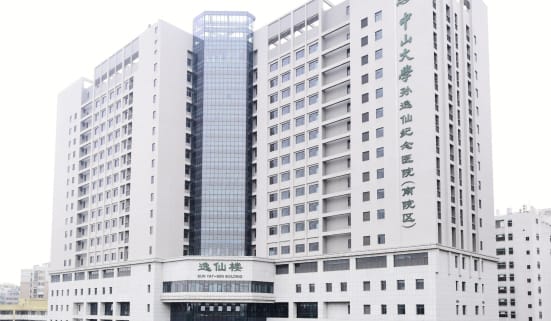




Breast tumours and breast cancer
Breast surgery is one of the hospital’s recognised clinical fields. Its teams assess benign and malignant breast conditions using imaging and pathology, and provide surgical care as part of wider cancer treatment. For breast cancer, decisions about the extent of surgery, breast conservation and the need for systemic treatment depend on tumour characteristics and a multidisciplinary review rather than on a single test result.
Cardiovascular and endocrine conditions
Cardiology and endocrinology services assess problems such as coronary heart disease, impaired heart function, diabetes and more complicated endocrine disorders. Their role can be especially important for patients who have several long-term illnesses or need an operation, because existing medical conditions may affect anaesthesia, recovery and the safety of proposed treatment.
Complex surgery and conditions involving multiple organs
General surgery, urology, gynaecology and transplant-related specialties contribute to the assessment of difficult tumours and conditions affecting more than one organ system. A treatment plan may require input from more than one department, with the final recommendation shaped by the diagnosis, clinical indications and the patient’s overall health.
Clinical practice and treatment decisions
Breast cancer is a particularly visible programme. The hospital established a dedicated public breast-oncology institution to bring breast surgery together with medical oncology, imaging, pathology, rehabilitation and relevant supportive specialties. Its purpose is to allow the team to consider tumour biology and stage alongside surgery choices, systemic treatment and longer-term recovery. For a patient newly diagnosed with breast cancer, that may mean reviewing the biopsy and imaging before deciding how surgery and drug treatment should be sequenced.
Breast Surgery
Oncology
Cardiology
Endocrinology
Gynecology
Urology
General Surgery
Neurology
For an international referral, it is important to identify the correct campus and department first, particularly for oncology and transplant-related consultations. The hospital has participated in Guangdong–Hong Kong–Macao medical cooperation initiatives, but the current official sources reviewed here do not establish a universal promise of direct billing or interpretation across all departments. Those arrangements should therefore be confirmed through the hospital’s designated service channels before a patient travels.
Prof. Song Erwei
Breast oncology and breast surgery
The hospital describes Professor Song as a breast surgeon and researcher whose work includes breast-conserving surgery and the tumour microenvironment. His prominence is not a guarantee of personal clinic availability.
Prof. Liu Qiang
Breast surgery and comprehensive care
The hospital’s announcement of its breast oncology hospital identifies Professor Liu Qiang among its senior clinical leaders.
These are selected clinicians identified in public institutional profiles, not a live appointment or employment-status check. Their involvement in a particular case must be confirmed through the hospital.
We respect your privacy and handle your personal information with care throughout the coordination process.
The information you provide is used only to understand your healthcare support needs, respond to your inquiry, and coordinate appropriate next steps.
This may include your name, contact details, country or current location, preferred language, and information you voluntarily provide about the healthcare support you are seeking.
When necessary to assist with your request, relevant information may be shared with appropriate healthcare providers or authorized service personnel involved in the coordination process.
We limit access to your information and do not use it for unrelated purposes without appropriate authorization.
You may contact AntuCare regarding access, correction, updating, or deletion of your personal information, subject to applicable requirements.
By submitting the inquiry form, you acknowledge that you have read this notice and consent to the processing of your personal information for the purposes described above.