


Gastrointestinal disorders and endoscopy
The gastroenterology and endoscopy teams assess stomach and bowel conditions, gastrointestinal polyps and patients who may need screening for digestive cancers. Endoscopy can be used to inspect the digestive tract and take samples, and selected findings can also be treated endoscopically. Whether a procedure is appropriate depends on the type and extent of the problem.
Earlier diagnosis of gastrointestinal cancer
For patients with risk factors or an abnormal screening result, the team can combine endoscopy with pathology and, where necessary, further imaging. An early lesion found during examination may be suitable for endoscopic treatment, but deeper or more extensive disease may require surgery or another approach. The decision depends on what the investigations show.
Medical and surgical care beyond gastroenterology
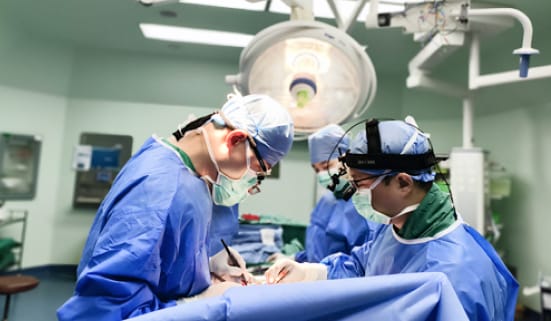
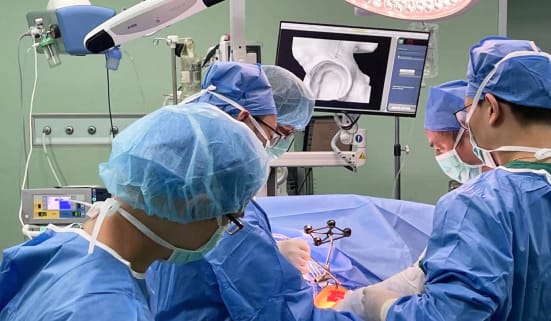
As a general hospital, it also provides specialists from other medical and surgical fields. This is relevant when a patient needs a procedure under anaesthesia or has other conditions that must be assessed before gastrointestinal treatment can proceed.
Clinical practice and treatment decisions
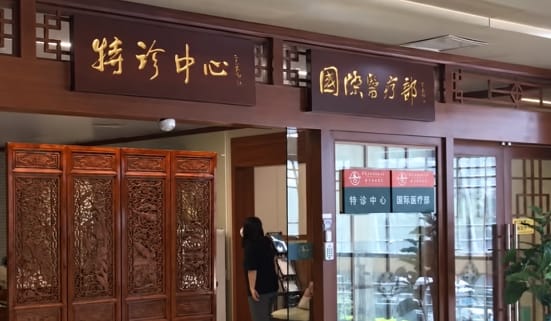
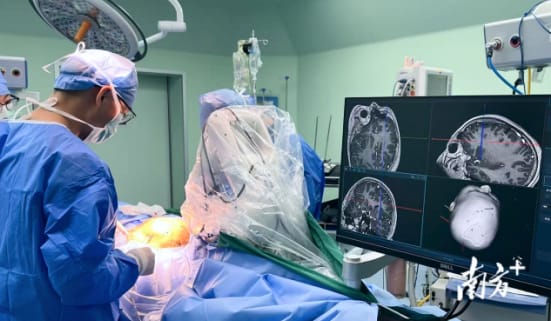
The university’s official materials describe strengths spanning digestive diseases, minimally invasive techniques, neurology and orthopaedic care. A particularly noteworthy 2026 development is a newly launched international digestive endoscopy centre, intended to provide endoscopy services in a setting designed for patients with international needs. Endoscopy may be used to examine unexplained gastrointestinal symptoms, obtain tissue samples or treat selected lesions, but the procedure chosen and whether sedation is appropriate depend on medical history, test results and anaesthetic risk.
Gastroenterology
Digestive Endoscopy
Gastrointestinal Surgery
Oncology
Cardiology
Neurology
Anesthesia
The international endoscopy centre was publicly announced in July 2026, and the hospital’s overseas-Chinese service history provides context for this expansion. Available reporting describes an international service intention, not automatic acceptance of every insurer or availability of interpretation in every language. Patients should confirm whether the needed endoscopic test is offered to overseas self-pay patients, how sedation and pathology are billed, and whether English clinical reports can be issued.
Patient-facing services and payment terms can change. Please confirm the receiving clinic, language arrangement and insurance pre-authorisation with the hospital and insurer before making travel or treatment commitments.
A named clinician is not listed here because the publicly reviewed materials did not establish an adequately specific, current professional profile for the relevant specialty. This does not indicate that the hospital lacks experienced doctors. Patients should request the current department expert directory, verify the clinician’s subspecialty and confirm whether that doctor reviews international cases before choosing an appointment.
We respect your privacy and handle your personal information with care throughout the coordination process.
The information you provide is used only to understand your healthcare support needs, respond to your inquiry, and coordinate appropriate next steps.
This may include your name, contact details, country or current location, preferred language, and information you voluntarily provide about the healthcare support you are seeking.
When necessary to assist with your request, relevant information may be shared with appropriate healthcare providers or authorized service personnel involved in the coordination process.
We limit access to your information and do not use it for unrelated purposes without appropriate authorization.
You may contact AntuCare regarding access, correction, updating, or deletion of your personal information, subject to applicable requirements.
By submitting the inquiry form, you acknowledge that you have read this notice and consent to the processing of your personal information for the purposes described above.