


Neurological and cerebrovascular disease
Neurologists and neurosurgeons investigate vascular abnormalities of the brain, intracranial lesions and complicated neurological symptoms. If surgery or a catheter-based procedure is being considered, brain imaging and the opinions of the relevant surgical and interventional teams help determine what is appropriate.
Minimally invasive and robot-assisted surgery
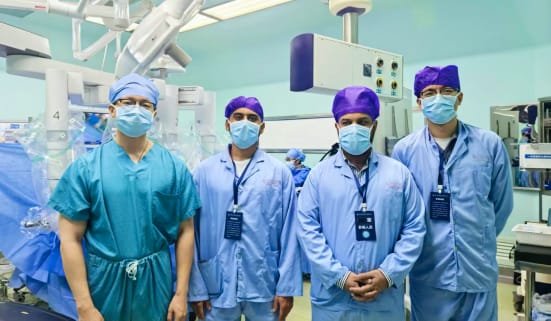
Some surgical departments use laparoscopic and robot-assisted techniques for selected operations. These technologies can help surgeons work through smaller access points or in areas where precise movement is required, but they are tools rather than guarantees of a better outcome. Whether a patient is suited to such surgery depends on the location of the disease, the proposed operation and their overall condition.
Blood cancers and cellular therapy
The hospital has publicly described work in haematological diseases and clinical use of CAR-T-related therapies. Cell therapies have carefully defined indications and may depend on the type of blood cancer, treatments already received and whether a patient meets safety and clinical requirements. They are not treatments that can be offered for every type of cancer.
Clinical practice and treatment decisions
In clinical practice, Zhujiang Hospital’s mix of neurosurgical, neurological and critical-care departments may be relevant to patients with stroke, brain lesions or conditions requiring prolonged monitoring. Its surgical and cancer-related services also allow different experts to review imaging and pathology before major treatment decisions. Published hospital material discusses minimally invasive and robot-assisted surgical development. A specific robot-assisted operation should never be presumed available for every disease: the clinical indication, surgeon experience and availability of equipment must match the patient’s case.
Neurology
Neurosurgery
Hematology
Oncology
General Surgery
Imaging
Intensive Care
Robotic and minimally invasive operating systems:
Selected surgical teams use minimally invasive and robot-assisted operating platforms, with the procedure and technology chosen by the treating specialists.
Yiqiao services and remote multidisciplinary consultation:
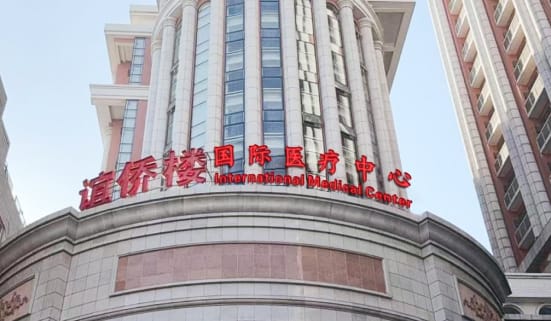
The hospital’s Yiqiao care facilities have been associated with international patient services and technology-enabled consultations involving more than one specialty.
Facilities in clinical use:
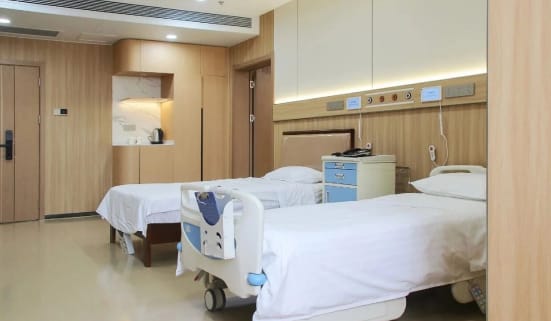
Hospital information refers to advanced imaging, surgical facilities, intensive-care units and development of robotic techniques. Those resources fulfil different roles: imaging identifies anatomy and the extent of disease, the operating platform helps perform a selected procedure, and intensive care supports patients after high-risk treatment. Zhujiang Hospital also has described multidisciplinary consultations, including digitally supported care planning. The benefit for a particular patient lies in how these services are integrated, not simply in owning modern equipment.
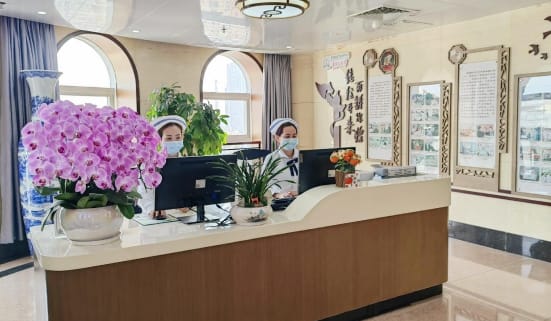
The hospital is part of Guangdong’s international-medical-service pilot group. Earlier information mentions Yiqiao facilities for overseas-related patients, but the sources reviewed here do not establish a universally available list of languages, a current direct-insurance-billing network or a standard admission pathway for all departments. Patients should obtain written confirmation from the hospital about which outpatient clinic or ward will receive them and which documents or deposits are required.
A named clinician is not listed here because the publicly reviewed materials did not establish an adequately specific, current professional profile for the relevant specialty. This does not indicate that the hospital lacks experienced doctors. Patients should request the current department expert directory, verify the clinician’s subspecialty and confirm whether that doctor reviews international cases before choosing an appointment.
We respect your privacy and handle your personal information with care throughout the coordination process.
The information you provide is used only to understand your healthcare support needs, respond to your inquiry, and coordinate appropriate next steps.
This may include your name, contact details, country or current location, preferred language, and information you voluntarily provide about the healthcare support you are seeking.
When necessary to assist with your request, relevant information may be shared with appropriate healthcare providers or authorized service personnel involved in the coordination process.
We limit access to your information and do not use it for unrelated purposes without appropriate authorization.
You may contact AntuCare regarding access, correction, updating, or deletion of your personal information, subject to applicable requirements.
By submitting the inquiry form, you acknowledge that you have read this notice and consent to the processing of your personal information for the purposes described above.