


Nasopharyngeal cancer
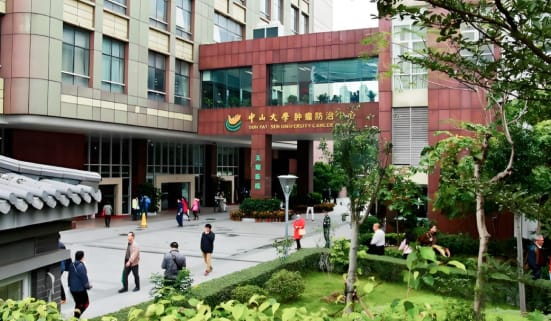
Nasopharyngeal cancer has long been an important focus at the center. Care involves diagnosis, accurate staging, radiotherapy, drug treatment when indicated and follow-up after treatment. Because the nasopharynx lies close to sensitive structures, radiation planning needs detailed imaging and careful assessment of the tumour’s position. If cancer returns, the location of recurrence and the patient’s previous radiotherapy are important to any new treatment decision.
Precision radiotherapy
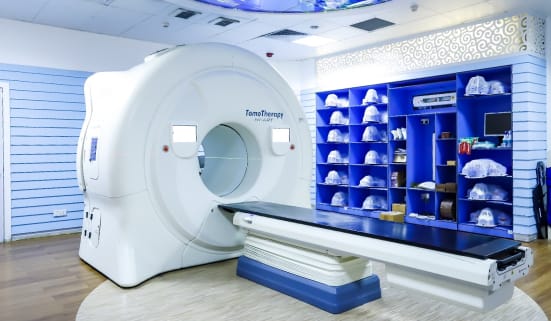
Publicly described techniques include intensity-modulated radiotherapy, image-guided radiotherapy, stereotactic treatment, tomotherapy and MRI-guided radiotherapy. These are different tools for different clinical problems, not interchangeable options for every cancer. The central task is to deliver an appropriate dose to the tumour while limiting exposure to healthy surrounding tissues.
Personalised assessment across cancer types
The center has specialist programmes for lung cancer, gastrointestinal cancers, breast cancer and many other malignancies. Pathology, molecular characteristics, cancer stage and response to previous therapy inform decisions about surgery, radiotherapy and systemic drug treatment. Where the situation is complex, specialists can discuss the evidence together before proposing a plan.
Clinical practice and treatment decisions
Nasopharyngeal cancer is a clear example of the centre’s disease-specific approach. The relevant teams consider tumour stage and spread, the role of radiotherapy, and whether chemotherapy or immunotherapy may be indicated. Its research group has contributed to clinical staging and treatment strategies that distinguish patients who need more intensive therapy from those in whom reducing treatment burden may be appropriate. That is more clinically meaningful than promising a single “latest treatment” for every diagnosis.
Nasopharyngeal Oncology
Radiation Oncology
Medical Oncology
Thoracic Oncology
Gastrointestinal Surgery
Breast Oncology
Imaging and Pathology
For an overseas oncology referral, the essentials are the pathology report, cancer stage, scans, past treatment and the clinical question requiring review. The centre publishes specialist services and international-patient information, but access to a particular drug, trial or named consultant cannot be assumed from its research reputation. Any proposed treatment should follow physician assessment and current regulatory and eligibility requirements.
Prof. Ma Jun
Radiation oncology and nasopharyngeal cancer
Professor Ma is described by the centre as a leading nasopharyngeal-cancer specialist whose research includes radiation-based treatment strategies and risk-adapted care.
Prof. Mai Haiqiang
Nasopharyngeal cancer
The nasopharyngeal-cancer department lists Professor Mai among senior consultants in its expert directory.
These are selected clinicians identified in public institutional profiles, not a live appointment or employment-status check. Their involvement in a particular case must be confirmed through the hospital.
We respect your privacy and handle your personal information with care throughout the coordination process.
The information you provide is used only to understand your healthcare support needs, respond to your inquiry, and coordinate appropriate next steps.
This may include your name, contact details, country or current location, preferred language, and information you voluntarily provide about the healthcare support you are seeking.
When necessary to assist with your request, relevant information may be shared with appropriate healthcare providers or authorized service personnel involved in the coordination process.
We limit access to your information and do not use it for unrelated purposes without appropriate authorization.
You may contact AntuCare regarding access, correction, updating, or deletion of your personal information, subject to applicable requirements.
By submitting the inquiry form, you acknowledge that you have read this notice and consent to the processing of your personal information for the purposes described above.